Spinal Cord Tumour Surgery Cost in Bangalore
Find the Right Specialist — Free
Connect with top Spinal Cord Tumour specialists in Bangalore — 100% free, within 24 hours.
Spinal Cord Tumour Surgery in Bangalore: Your Guide to Treatment and Costs
Finding out you have a spinal cord tumour can be very scary. You might feel overwhelmed and have many questions. What exactly is a spinal cord tumour? How will it affect your life? Most importantly, what are your treatment options, and what will they cost?
This guide will help you understand spinal cord tumours and their treatment. We will focus on surgery, especially in Bangalore. You will learn about different types of tumours and how doctors remove them. We will also cover the costs involved and how to choose the best hospital. Our goal is to give you clear, easy-to-understand information. This way, you can make informed decisions about your health.
What Is a Spinal Cord Tumour?
A spinal cord tumour is an abnormal growth of cells. These cells form a mass within or near your spinal cord. Your spinal cord is a vital part of your nervous system. It carries messages between your brain and the rest of your body. A tumour can press on the spinal cord or nerves. This pressure can cause pain, weakness, or other serious problems.
Spinal cord tumours are quite rare. They affect about 2 to 10 people per 100,000 each year. These tumours can be either benign (non-cancerous) or malignant (cancerous). They are also classified by where they grow.
There are two main types based on location:
- Intramedullary Tumours: These tumours grow inside the spinal cord itself. They start within the spinal cord tissue. Examples include ependymomas and astrocytomas. Removing these can be very delicate.
- Extramedullary Tumours: These tumours grow outside the spinal cord. They are still within the spinal canal. They can press on the spinal cord from the outside. These are further divided into two groups:
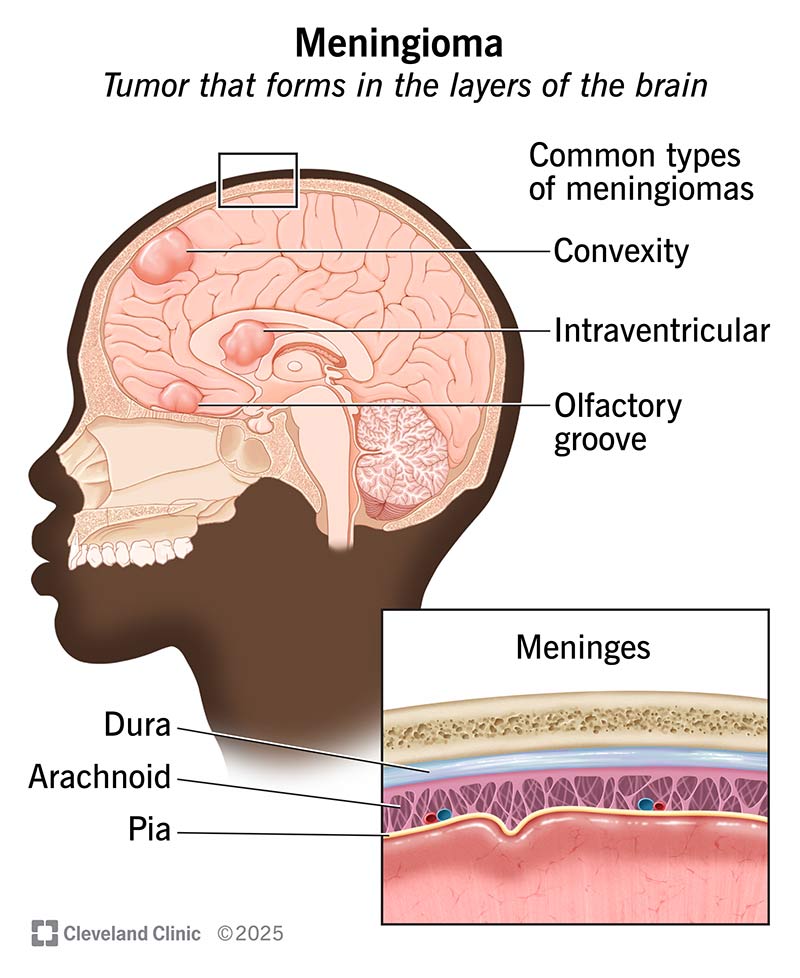
- Intradural-Extramedullary Tumours: These are inside the dura mater (the protective covering of the spinal cord). But they are outside the spinal cord tissue. Meningiomas and schwannomas are common types.
- Extradural Tumours: These grow outside the dura mater. They are often tumours that have spread from other parts of the body. These are called metastatic tumours.
Understanding the type and location helps doctors plan the best treatment for you.
Symptoms of Spinal Cord Tumours

The symptoms of a spinal cord tumour depend on its size and location. They also depend on how fast it grows. Symptoms often develop slowly over time. Sometimes, they can appear suddenly.
It's important to see a doctor if you experience any of these signs. Early diagnosis can lead to better treatment outcomes.
Common symptoms include:
- Back pain that spreads to other body parts.
- Pain that gets worse at night or with activity.
- Numbness, tingling, or weakness in your arms or legs.
- Loss of sensation, especially to hot and cold.
- Difficulty walking or problems with balance.
- Muscle weakness or loss of muscle function.
- Loss of bowel or bladder control.
- Spinal deformities, like scoliosis.
- Reduced sensitivity to pain, heat, and cold.
These symptoms can also be caused by other conditions. Only a doctor can properly diagnose a spinal cord tumour.
How Is a Spinal Cord Tumour Diagnosed?
Diagnosing a spinal cord tumour involves several steps. Your doctor will first ask about your symptoms and medical history. They will also perform a physical and neurological exam. This exam checks your reflexes, muscle strength, and sensation.
If a tumour is suspected, your doctor will order imaging tests. These tests help visualize your spinal cord and surrounding structures.
Common diagnostic tests include:
- Magnetic Resonance Imaging (MRI): This is the most common and best test. It uses powerful magnets and radio waves. It creates detailed images of your spinal cord. MRI can show the tumour's size, location, and type. Contrast dye may be used to make the tumour clearer.
- Computed Tomography (CT) Scan: A CT scan uses X-rays to create cross-sectional images. It can show bone changes caused by the tumour. It's often used if MRI is not possible.
- Biopsy: This is often the only way to confirm the type of tumour. A small sample of the tumour tissue is removed. A pathologist then examines it under a microscope. This can be done during surgery or with a needle.
- Myelogram: This test involves injecting a dye into the spinal fluid. Then, X-rays or a CT scan are taken. The dye helps show pressure on the spinal cord. This test is less common now due to advanced MRI.
Your doctor will use these results to determine the best treatment plan for you.
Treatment Options
Treating a spinal cord tumour depends on many factors. These include the tumour type, size, location, and your overall health. Your doctor will discuss the best approach with you.
Treatment options can include non-surgical and surgical methods.
Non-Surgical Treatments:
- Observation (Watchful Waiting): If the tumour is small and not causing symptoms, your doctor might suggest monitoring it. Regular MRI scans will check for growth.
- Radiation Therapy: This uses high-energy X-rays to kill tumour cells. It can be used after surgery to destroy remaining cells. It's also used for tumours that cannot be removed surgically. For metastatic tumours, it can help manage pain.
- Chemotherapy: This uses drugs to kill cancer cells. It is less common for spinal cord tumours. It is mostly used for certain types of malignant tumours. It might be given orally or through an IV.
- Steroids: These medications can reduce swelling around the spinal cord. This helps relieve pressure and symptoms.
Surgical Treatment:
Surgery is often the primary treatment for spinal cord tumours. The goal is to remove as much of the tumour as possible. This is done while preserving spinal cord function.
- Microsurgery: This is the most common surgical technique. Neurosurgeons use a high-powered microscope. This allows for precise removal of the tumour. It minimizes damage to healthy spinal cord tissue.
- Neurophysiological Monitoring: During surgery, special tools monitor your nerve function. This helps the surgeon avoid damaging important nerves. It improves safety and outcomes.
- Intramedullary Tumour Removal: These surgeries are complex. The tumour is inside the spinal cord. The surgeon carefully separates the tumour from healthy tissue.
- Extramedullary Tumour Removal: These tumours are outside the spinal cord. They are often easier to remove completely. This is because they are not directly embedded in the spinal cord.
Your neurosurgeon will explain the risks and benefits of surgery. They will help you understand what to expect.
Spinal Cord Tumour Surgery in Bangalore: What to Expect
Undergoing spinal cord tumour surgery is a major event. Knowing what to expect can help you feel more prepared. Here's a general overview of the process in Bangalore.
Before Surgery
- Pre-operative Tests: You will have blood tests, ECG, and chest X-rays. This ensures you are fit for surgery.
- Medical Evaluation: You will meet with your neurosurgeon and anaesthesiologist. They will discuss the procedure and answer your questions.
- Medication Review: Inform your doctor about all medications you take. You might need to stop some before surgery.
- Lifestyle Adjustments: You may be asked to stop smoking or drinking alcohol. This improves healing.
- Hospital Admission: You will typically be admitted to the hospital a day before surgery.
During Surgery
- Anaesthesia: You will receive general anaesthesia. This means you will be asleep and feel no pain.
- Positioning: You will be carefully positioned on the operating table. This allows the surgeon access to your spine.
- Incision: The surgeon makes an incision in your back. The size depends on the tumour's location.
- Laminectomy: Part of the bone (lamina) covering the spinal cord may be removed. This creates space to access the tumour.
- Tumour Removal: Using microsurgical techniques, the surgeon carefully removes the tumour. Neurophysiological monitoring is used throughout. This helps protect your nerves.
- Closure: After tumour removal, the incision is closed with sutures or staples.
After Surgery
- Recovery Room: You will wake up in a recovery room. Nurses will monitor your vital signs.
- Hospital Stay: You will typically stay in the hospital for several days. The length depends on the surgery's complexity and your recovery.
- Pain Management: You will receive medication to manage pain.
- Physical Therapy: Rehabilitation often starts soon after surgery. Physical therapists will help you regain strength and movement.
- Follow-up Appointments: Regular follow-up visits are crucial. These check your recovery and monitor for any recurrence.
- Rehabilitation: Depending on your recovery, you may need continued physical therapy. Some patients go to a rehabilitation center.
Your medical team will guide you through each step of your recovery.
Cost of Spinal Cord Tumour Treatment in Bangalore
The cost of spinal cord tumour surgery in Bangalore can vary widely. Many factors influence the final price. These include the type of tumour, its size and location, and the surgical complexity. The hospital chosen, the surgeon's experience, and your length of stay also play a role.
Here's an estimated cost breakdown for spinal cord tumour surgery in Bangalore:
| Hospital Tier | Estimated Cost Range (INR) | Inclusions | Exclusions |
|---|---|---|---|
| Economy | ₹3,50,000 - ₹6,00,000 | Surgeon fees, anaesthesia, basic ward stay (3-5 days), standard medications, basic diagnostics. | Advanced diagnostics (e.g., PET CT), specific implants, extended ICU stay, rehabilitation, specialized drugs, post-discharge care. |
| Mid-Range | ₹6,00,000 - ₹9,00,000 | Surgeon fees, anaesthesia, semi-private room (5-7 days), standard medications, pre-op tests, basic neurophysiological monitoring. | High-end implants, prolonged ICU, advanced rehabilitation, specific blood products, genetic testing, long-term follow-up. |
| Premium | ₹9,00,000 - ₹12,00,000+ | Top surgeon fees, anaesthesia, private room (7-10 days), all pre-op and post-op diagnostics, advanced neurophysiological monitoring, specialized medications, initial rehabilitation sessions. | Experimental treatments, very rare complications, long-term care, travel, accommodation for family. |
Important Considerations:
- Pre-operative Costs: This includes consultations, MRI, CT scans, and blood tests. These can range from ₹15,000 to ₹50,000.
- Post-operative Costs: This covers follow-up consultations, medications, and rehabilitation. This can add ₹20,000 to ₹1,00,000 or more.
- Complications: Any unforeseen complications can increase the cost significantly.
- Insurance: Most health insurance plans in India cover spinal cord tumour surgery. Check with your provider about your specific coverage. Understand your deductible and co-pay.
- Hospital Choice: Hospitals with advanced technology and highly experienced surgeons often have higher costs.
Don't let cost be a barrier to getting the best care. Contact Patient-Help.com today! We can connect you with hospitals and help you understand cost estimates. We aim to make quality healthcare accessible for you.
How to Choose the Right Hospital in Bangalore
Choosing the right hospital and neurosurgeon is a critical decision. It directly impacts your treatment outcome and recovery. Bangalore has many excellent hospitals. Here's what to consider when making your choice:
- Accreditation (NABH): Look for hospitals accredited by NABH (National Accreditation Board for Hospitals & Healthcare Providers). NABH accreditation ensures high standards of patient care and safety.
- Neurosurgeon's Experience: Choose a neurosurgeon with extensive experience in spinal cord tumour surgery. Ask about their success rates and specific expertise with your tumour type.
- Specialized Neurosurgery Department: The hospital should have a dedicated neurosurgery department. It should be equipped with advanced technology. This includes operating microscopes, neuro-navigation systems, and intraoperative monitoring.
- Multidisciplinary Team: A good hospital will have a team approach. This includes neurosurgeons, neurologists, oncologists, radiologists, and rehabilitation specialists.
- Technology and Infrastructure: Check for state-of-the-art operating theatres. Ensure they have advanced imaging facilities (3T MRI, CT). Access to an excellent ICU is also vital for post-operative care.
- Patient Reviews and Outcomes: Read patient testimonials and reviews. While not the only factor, they offer insights into patient experience.
- Case Volume: Hospitals and surgeons who perform many spinal cord tumour surgeries often have better outcomes. They have more experience.
- Rehabilitation Services: Comprehensive post-operative rehabilitation is crucial. Ensure the hospital offers good physical and occupational therapy.
Making this choice can feel overwhelming. Patient-Help.com can assist you. We connect you with top-rated hospitals and experienced neurosurgeons in Bangalore. We help you compare options and make an informed decision. Visit our /conditions page to learn more about various treatments. Also, explore our /articles for more health information.
Frequently Asked Questions
Q1: Is spinal cord tumour surgery dangerous?
A1: All surgeries carry risks, but spinal cord tumour surgery is complex. Risks include infection, bleeding, nerve damage, and paralysis. However, advances in microsurgery and neurophysiological monitoring have greatly improved safety. Your surgeon will discuss specific risks with you.
Q2: How long is the recovery period after spinal cord tumour surgery?
A2: Recovery varies greatly depending on the tumour's location and size. It also depends on your overall health. Most patients stay in the hospital for 3 to 10 days. Full recovery and rehabilitation can take several weeks to many months.
Q3: Will I need physical therapy after surgery?
A3: Yes, physical therapy is often a crucial part of recovery. It helps you regain strength, mobility, and function. Occupational therapy may also be needed to help with daily activities.
Q4: Can spinal cord tumours grow back after surgery?
A4: For benign tumours, complete removal often means they won't grow back. For malignant tumours or those that cannot be fully removed, there is a risk of recurrence. Regular follow-up scans are important to monitor for this.
Q5: Are all spinal cord tumours cancerous?
A5: No, spinal cord tumours can be either benign (non-cancerous) or malignant (cancerous). Benign tumours grow slowly and do not spread. Malignant tumours can grow aggressively and may spread to other parts of the body.
Ready to find the right specialist for spinal cord tumour surgery in Bangalore? Submit your details on Patient-Help.com and receive a free, confidential match with verified specialists — within 24 hours.
Medical Disclaimer: This article is for informational purposes only and does not constitute medical advice, diagnosis, or treatment. Always consult a qualified neurosurgeon or healthcare professional before making any medical decisions. Patient-Help.com is a lead generation platform and does not provide medical services directly.
Sources
- National Institute of Neurological Disorders and Stroke (NINDS). (n.d.). Spinal Cord Tumors Fact Sheet. Retrieved from https://www.ninds.nih.gov/health-information/patient-caregiver-education/fact-sheets/spinal-cord-tumors-fact-sheet
- Mayo Clinic. (n.d.). Spinal tumor. Retrieved from https://www.mayoclinic.org/diseases-conditions/spinal-tumor/symptoms-causes/syc-20350101
- All India Institute of Medical Sciences (AIIMS). (n.d.). Department of Neurosurgery. (While a direct article on spinal cord tumour surgery cost isn't usually available, AIIMS is a reputable source for neurosurgical expertise in India). Retrieved from https://www.aiims.edu/en/departments/clinical-departments/neurosurgery.html
Find the Right Specialist — Free
Connect with top Spinal Cord Tumour specialists in Bangalore — 100% free, within 24 hours.
Find the Right Specialist — Free
Connect with top Spinal Cord Tumour specialists in Bangalore — 100% free, within 24 hours.
Medical Disclaimer: This article is for informational purposes only and does not constitute medical advice. Always consult a qualified healthcare professional for diagnosis, treatment, and medical decisions.