Experienced Neurosurgeon Koramangala Bangalore: Your Guide
Find the Right Specialist — Free
Describe your condition and we'll match you with verified specialists in Bangalore — completely free.
Experienced Neurosurgeon Koramangala Bangalore: Your Guide to Expert Care
Experiencing problems with your brain or spine can be very frightening. You might feel confused, scared, or unsure where to turn. Finding the right specialist is crucial for your health. If you are in Koramangala, Bangalore, and need a neurosurgeon, you are looking for top-notch care. This guide will help you understand common neurosurgical conditions and how to find the best doctor for your needs. We will cover what neurosurgeons do, common procedures, and what to expect during your journey. Our goal is to make this process easier for you. We want you to feel confident in your choices.
What Does a Neurosurgeon Do?
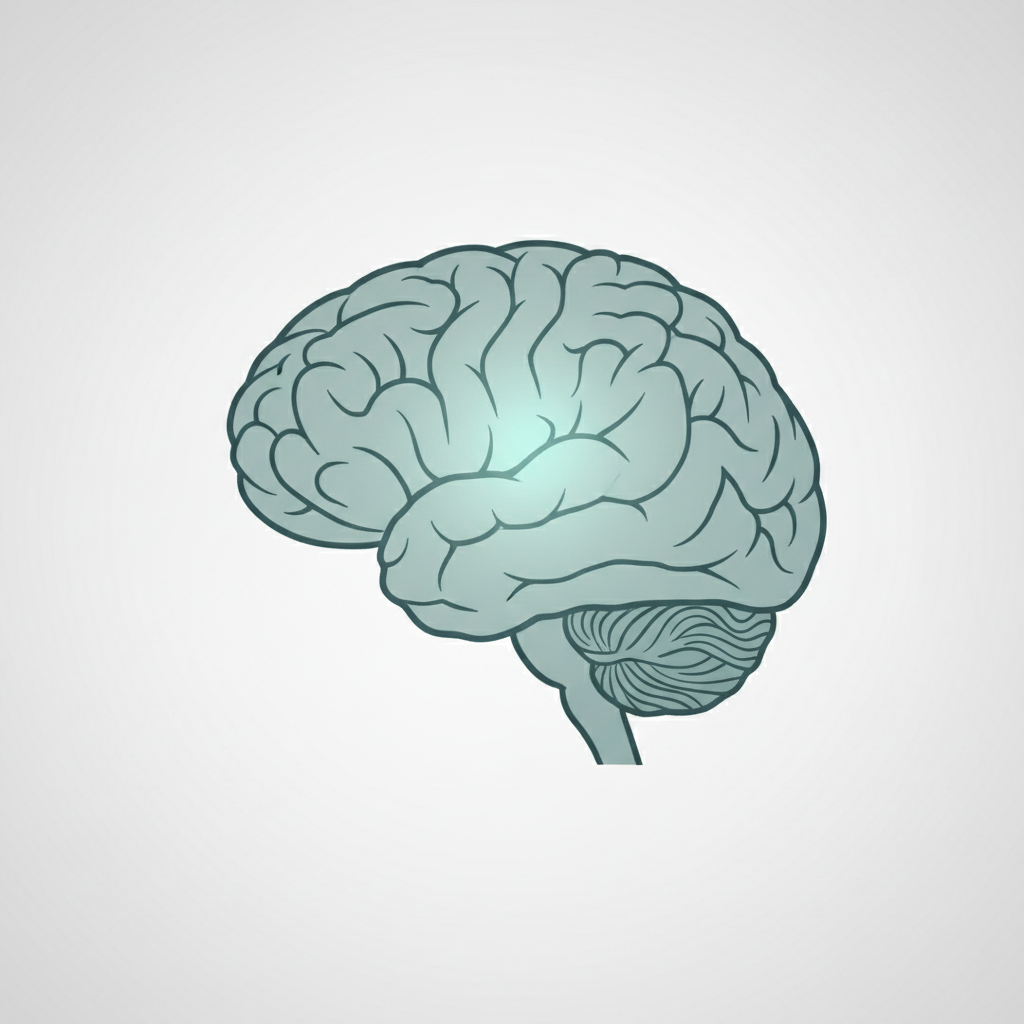
A neurosurgeon is a highly trained medical doctor. They specialize in treating problems related to your nervous system. This system includes your brain, spinal cord, and nerves. These doctors perform complex surgeries. They also provide non-surgical care for many conditions. Their work focuses on conditions that affect how your body moves, feels, and thinks. They treat a wide range of issues. These can be from birth defects to injuries or diseases. For example, they might treat brain tumors or spinal cord injuries. They also handle nerve problems that cause pain or weakness. Neurosurgery is a very delicate field. It requires years of intense training and experience. About 1 in 10,000 people in India require neurosurgical intervention each year. Your neurosurgeon will work to improve your quality of life. They aim to restore function and relieve pain.
Common Conditions Treated by Neurosurgeons

Neurosurgeons treat many different conditions. These conditions affect your brain, spine, and nerves. Understanding these can help you know when to seek their help.
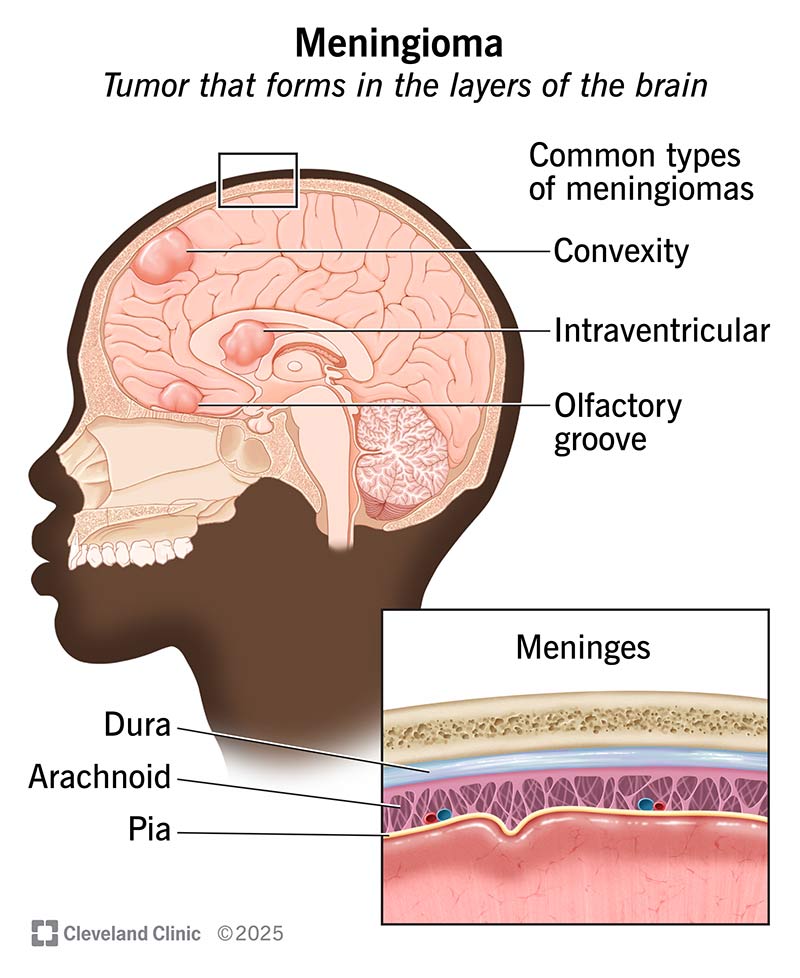
- Brain Tumors: These are abnormal growths in the brain. They can be cancerous or non-cancerous.
- Spinal Cord Injuries: Damage to the spinal cord can cause paralysis or weakness.
- Herniated Discs: This happens when a soft cushion between your spinal bones bulges. It can press on nerves.
- Sciatica: Pain that travels down your leg from your lower back. It is often caused by a pinched nerve.
- Cerebral Aneurysms: A weak, bulging spot in a blood vessel in the brain. It can rupture and cause bleeding.
- Stroke: This occurs when blood flow to part of your brain is interrupted.
- Hydrocephalus: A buildup of fluid in the brain. This can increase pressure.
- Epilepsy: A brain disorder causing seizures. Surgery can sometimes help.
- Trigeminal Neuralgia: Severe facial pain caused by a nerve problem.
- Carpal Tunnel Syndrome: Pressure on a nerve in your wrist. This causes numbness and tingling.
These are just a few examples. Many other complex conditions fall under neurosurgery. If you have persistent pain, numbness, or weakness, consult a doctor. They can help determine if a neurosurgeon is needed.
Symptoms That May Require a Neurosurgeon
Recognizing symptoms early is important. It can help you get timely treatment. Here are some common signs that might point to a neurological problem:
- Persistent Headaches: Severe headaches that do not go away.
- Chronic Back or Neck Pain: Pain that lasts for weeks or months.
- Numbness or Tingling: A pins-and-needles sensation in your arms or legs.
- Weakness: Difficulty moving parts of your body.
- Balance Problems: Feeling unsteady or falling often.
- Dizziness or Vertigo: A spinning sensation.
- Vision Changes: Blurry vision, double vision, or loss of sight.
- Seizures: Uncontrolled electrical activity in the brain.
- Memory Loss: Difficulty remembering recent events.
- Difficulty Speaking or Swallowing: Problems with communication or eating.
- Changes in Personality: Sudden shifts in mood or behavior.
If you experience any of these symptoms, do not ignore them. Discuss them with your general physician. They can refer you to a neurosurgeon if needed. Early diagnosis can make a big difference.
How Is a Neurological Condition Diagnosed?
Diagnosing a neurological condition involves several steps. Your neurosurgeon will gather information carefully. This helps them understand your specific problem.
First, you will have a thorough physical examination. The doctor will ask about your symptoms and medical history. They will check your reflexes, balance, and strength. They might test your sensation and coordination.
Next, imaging tests are often used. These tests provide detailed pictures of your brain or spine.
- MRI (Magnetic Resonance Imaging): Uses strong magnets and radio waves. It creates detailed images of soft tissues. This is excellent for brain and spinal cord issues.
- CT Scan (Computed Tomography): Uses X-rays from different angles. It creates cross-sectional images. Good for bone problems and fresh bleeding.
- X-rays: Basic images of bones. They can show fractures or alignment issues.
- Angiogram: Uses dye and X-rays to visualize blood vessels. Helps detect aneurysms or blockages.
Other tests might include:
- Nerve Conduction Studies (NCS): Measures how fast electrical signals travel through your nerves.
- Electromyography (EMG): Checks the electrical activity of your muscles.
- EEG (Electroencephalogram): Records brain wave activity. Used for conditions like epilepsy.
- Lumbar Puncture (Spinal Tap): Collects a sample of spinal fluid. This can help diagnose infections or other conditions.
After reviewing all the information, your neurosurgeon will discuss the diagnosis with you. They will explain your condition clearly. Then, they will propose a treatment plan.
Treatment Options for Neurological Conditions
Treatment for neurological conditions varies greatly. It depends on your specific diagnosis. Neurosurgeons consider both surgical and non-surgical approaches. They always aim for the least invasive option first.
Non-Surgical Treatments:
Many conditions can be managed without surgery. These options focus on pain relief and improving function.
- Medications: Pain relievers, muscle relaxants, or anti-inflammatory drugs. These can help manage symptoms.
- Physical Therapy: Exercises and stretches to strengthen muscles. It improves flexibility and reduces pain.
- Occupational Therapy: Helps you adapt to daily tasks. It improves your ability to perform activities.
- Injections: Steroid injections can reduce inflammation and pain. Nerve blocks can numb specific nerves.
- Lifestyle Changes: Diet, exercise, and stress management. These can support overall neurological health.
- Bracing: Supports for the back or neck. They can help stabilize the spine.
Your neurosurgeon will work with other specialists. This team approach ensures comprehensive care. They will monitor your progress closely.
Surgical Treatments:
When non-surgical options are not enough, surgery may be necessary. Neurosurgeons perform a wide range of procedures.
- Craniotomy: Opening the skull to access the brain. This is done for tumors, aneurysms, or bleeding.
- Spinal Fusion: Joining two or more vertebrae together. It stabilizes the spine and reduces pain.
- Discectomy: Removing a herniated disc. This relieves pressure on nerves.
- Laminectomy: Removing part of the bone covering the spinal canal. It creates more space for nerves.
- Deep Brain Stimulation (DBS): Implanting electrodes in the brain. It helps control symptoms of Parkinson's disease or essential tremor.
- VP Shunt Placement: Inserting a tube to drain excess fluid from the brain. This treats hydrocephalus.
- Peripheral Nerve Surgery: Repairing or releasing nerves in the arms or legs. This treats conditions like carpal tunnel syndrome.
- Minimally Invasive Spine Surgery: Uses smaller incisions and specialized tools. This often leads to faster recovery.
Your neurosurgeon will explain the risks and benefits of surgery. They will ensure you understand the procedure fully.
Neurosurgery in Bangalore: What to Expect
Undergoing neurosurgery can be a significant event. Knowing what to expect can ease your worries. Here’s a general overview of the process.
Before Surgery:
Your neurosurgeon will conduct a thorough evaluation. This includes detailed medical history and physical exams. You will undergo various tests. These might include blood tests, ECG, and chest X-rays. You will meet with the anesthesia team. They will discuss your anesthesia options. It is important to ask all your questions. Understand the procedure, risks, and recovery. You may need to stop certain medications before surgery. Follow your doctor's instructions carefully. Arrange for someone to drive you home after discharge. Plan for help at home during your recovery.
During Surgery:
You will be given anesthesia. This ensures you are comfortable and pain-free. The surgical team will monitor your vital signs closely. The neurosurgeon will perform the procedure. They use advanced tools and techniques. The length of surgery varies. It depends on the complexity of your condition. Modern neurosurgery often uses imaging guidance. This improves precision and safety. The goal is to achieve the best possible outcome.
After Surgery:
You will wake up in a recovery room. Nurses will monitor you closely. You might feel some pain or discomfort. Medications will be given to manage this. The length of your hospital stay varies. It depends on the type of surgery. Your doctor will advise on activity restrictions. You will likely need physical therapy. This helps you regain strength and movement. Follow-up appointments are crucial. They allow your doctor to monitor your healing. Be patient with your recovery. It takes time for your body to heal.
Cost of Neurosurgery in Koramangala, Bangalore
The cost of neurosurgery in Koramangala, Bangalore, can vary. Many factors influence the final price. These include the specific procedure, hospital choice, and surgeon's fees. Your insurance coverage also plays a role.
Here's an estimated cost table for common neurosurgical consultations and procedures in Bangalore:
| Procedure/Service | Low-Tier Hospital (₹) | Mid-Tier Hospital (₹) | High-Tier Hospital (₹) |
|---|---|---|---|
| Neurosurgeon Consultation | 800 - 1,500 | 1,200 - 2,500 | 2,000 - 4,000 |
| MRI Brain/Spine | 4,000 - 7,000 | 6,000 - 9,000 | 8,000 - 12,000 |
| CT Scan Brain/Spine | 2,000 - 4,000 | 3,000 - 5,500 | 4,500 - 7,000 |
| Lumbar Discectomy (Herniated Disc) | 1,50,000 - 2,50,000 | 2,20,000 - 3,80,000 | 3,50,000 - 5,50,000 |
| Spinal Fusion (Single Level) | 2,50,000 - 4,00,000 | 3,80,000 - 6,00,000 | 5,50,000 - 8,50,000 |
| Brain Tumor Removal (Craniotomy) | 3,50,000 - 6,00,000 | 5,50,000 - 9,00,000 | 8,00,000 - 15,00,000 |
| Aneurysm Coiling/Clipping | 4,00,000 - 7,00,000 | 6,50,000 - 10,00,000 | 9,00,000 - 18,00,000 |
| VP Shunt Placement | 2,00,000 - 3,50,000 | 3,00,000 - 5,00,000 | 4,50,000 - 7,50,000 |
Please note: These are estimated costs and can vary. They typically include surgeon's fees, anesthesia, hospital stay, and basic post-operative care. Additional costs may arise from complications, extended hospital stays, or specialized implants.
Insurance and Payment:
Most health insurance policies in India cover neurosurgical procedures. It is essential to check with your provider. Understand your policy's terms and conditions. Ask about cashless facilities or reimbursement processes. Some hospitals offer EMI options for large medical expenses. Discuss payment plans with the hospital's billing department.
Need help understanding costs or finding affordable options? Patient-Help.com can connect you with hospitals and neurosurgeons in Koramangala. We can help you get detailed cost estimates. Contact us today for personalized assistance!
How to Choose the Right Neurosurgeon and Hospital in Koramangala
Choosing a neurosurgeon and hospital is a big decision. You want the best possible care for your condition. Here are key factors to consider:
- Experience and Specialization: Look for a neurosurgeon with extensive experience. They should specialize in your specific condition. Ask about their success rates for similar cases.
- Board Certification: Ensure the neurosurgeon is board-certified. This means they meet high standards of training and expertise.
- Hospital Accreditation: Choose a hospital with good accreditation. NABH (National Accreditation Board for Hospitals & Healthcare Providers) is a good indicator in India. This ensures quality and safety standards.
- Technology and Facilities: The hospital should have advanced diagnostic tools. It also needs state-of-the-art surgical equipment. An intensive care unit (ICU) is crucial for post-operative care.
- Team Approach: A good neurosurgery department works as a team. This includes neurologists, radiologists, physical therapists, and nurses.
- Patient Reviews and Referrals: Read reviews from other patients. Ask your general physician for recommendations.
- Communication: Choose a doctor who communicates clearly. They should answer your questions patiently. You should feel comfortable discussing your concerns.
- Location: For convenience, consider a hospital in or near Koramangala. This makes follow-up visits easier.
How Patient-Help.com Can Assist You:
Navigating these choices can be overwhelming. Patient-Help.com simplifies this process for you. We have a network of top neurosurgeons and hospitals in Koramangala and Bangalore. We can help you:
- Find highly-rated neurosurgeons specializing in your condition.
- Compare hospitals based on facilities, accreditation, and patient reviews.
- Get detailed cost estimates for various procedures.
- Schedule consultations quickly and easily.
- Provide unbiased information to help you make informed decisions.
Don't hesitate to seek expert guidance. Visit Patient-Help.com to find the experienced neurosurgeon for you.
Frequently Asked Questions
What is the difference between a neurologist and a neurosurgeon?
A neurologist treats nervous system disorders with non-surgical methods. A neurosurgeon specializes in surgical treatment for these conditions. They often work together for comprehensive patient care.
How long does recovery from neurosurgery take?
Recovery time varies greatly depending on the surgery type and your overall health. It can range from a few weeks for minor procedures to several months for complex brain or spine surgeries. Your doctor will provide a personalized recovery plan.
Are there risks associated with neurosurgery?
Yes, all surgeries carry risks. These can include infection, bleeding, nerve damage, or complications from anesthesia. Your neurosurgeon will discuss specific risks related to your procedure and how they are managed.
Can I get a second opinion for my neurological condition?
Absolutely. Getting a second opinion is often encouraged. It can provide peace of mind and confirm your diagnosis and treatment plan. Patient-Help.com can help you arrange a second opinion.
How do I prepare for my first neurosurgeon consultation?
Bring all your medical records, including previous test results and imaging scans. Write down your symptoms, medical history, and any questions you have. Be prepared to discuss your concerns openly and honestly.
Ready to find the right specialist for neurosurgery in Koramangala in Bangalore? Submit your details on Patient-Help.com and receive a free, confidential match with verified specialists — within 24 hours.
Medical Disclaimer: This article is for informational purposes only and does not constitute medical advice, diagnosis, or treatment. Always consult a qualified neurosurgeon or healthcare professional before making any medical decisions. Patient-Help.com is a lead generation platform and does not provide medical services directly.
Sources
- National Institute of Neurological Disorders and Stroke (NINDS). (n.d.). Brain Basics: Know Your Brain. Retrieved from https://www.ninds.nih.gov/health-information/public-education/brain-basics/brain-basics-know-your-brain
- World Health Organization (WHO). (n.d.). Neurological disorders. Retrieved from [https://www.who.int/news-room/fact-sheets/detail/neurological-disorders](https://www
Find the Right Specialist — Free
Describe your condition and we'll match you with verified specialists in Bangalore — completely free.
Find the Right Specialist — Free
Describe your condition and we'll match you with verified specialists in Bangalore — completely free.
Medical Disclaimer: This article is for informational purposes only and does not constitute medical advice. Always consult a qualified healthcare professional for diagnosis, treatment, and medical decisions.