Experienced Neurosurgeon in Indiranagar Bangalore
Find the Right Specialist — Free
Describe your condition and we'll match you with verified specialists in Bangalore — completely free.
Experienced Neurosurgeon in Indiranagar Bangalore
Finding the right neurosurgeon can feel overwhelming. If you live in Indiranagar, Bangalore, you want a specialist nearby. You need someone you can trust with your brain or spine health. This article will guide you through finding the experienced neurosurgeon in your area. We will cover common conditions, treatments, and what to expect.
Neurosurgery deals with complex conditions affecting your nervous system. This includes your brain, spinal cord, and nerves. A skilled neurosurgeon can make a huge difference in your recovery. We will also discuss the costs involved and how to choose a good hospital. Patient-Help.com is here to simplify this important decision for you.
What Is Neurosurgery?
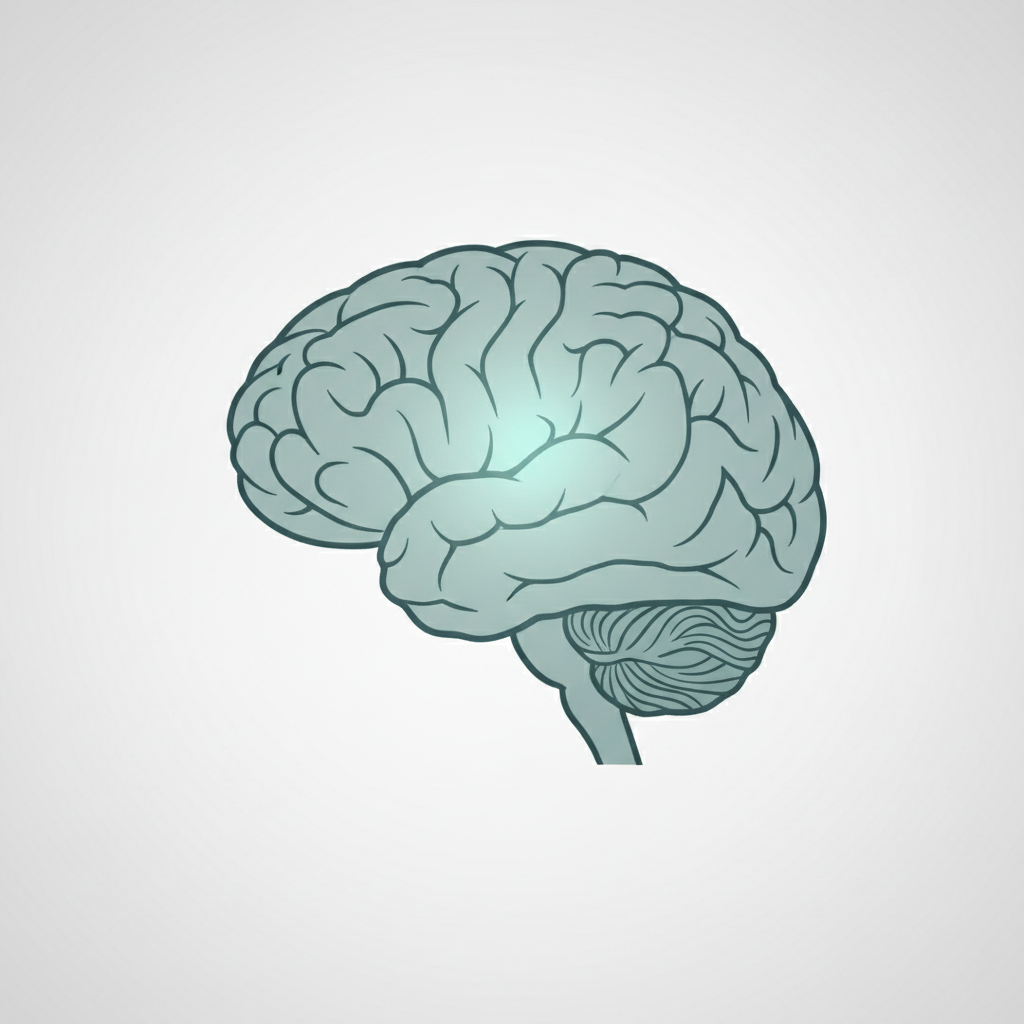
Neurosurgery is a medical specialty focusing on your nervous system. This vital system controls everything you do. It includes your brain, spinal cord, and all the nerves in your body. Neurosurgeons treat problems that affect these delicate structures. These problems can be due to injuries, diseases, or birth defects.
For example, a neurosurgeon might treat a brain tumor. They also handle conditions like slipped discs in your spine. About 1.5 million people in India suffer from head injuries each year. Many of these require neurosurgical care. Neurosurgeons perform delicate operations to fix these issues. Their goal is to relieve pain, restore function, and improve your quality of life. They use advanced tools and techniques for these complex surgeries.
Common Conditions Treated by Neurosurgeons

Neurosurgeons treat a wide range of conditions. These can affect your brain, spinal cord, or peripheral nerves. Here are some common problems they address:
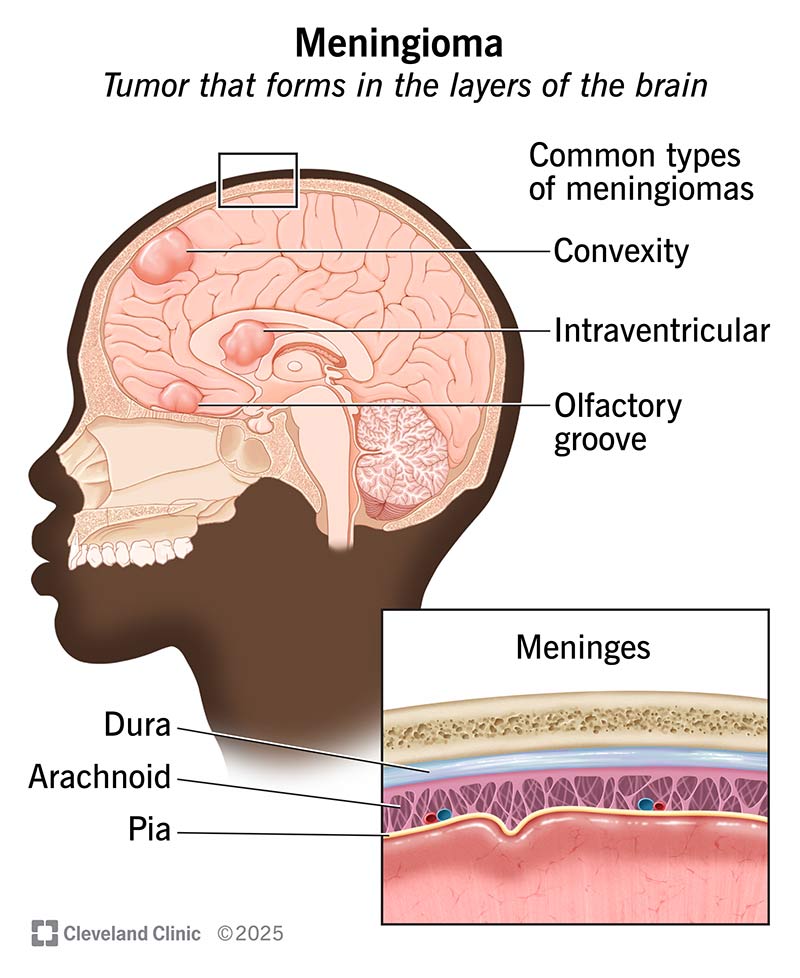
- Brain Tumors: Abnormal growths in the brain.
- Spinal Disc Herniation: A slipped or bulging disc in your back.
- Spinal Stenosis: Narrowing of the spinal canal.
- Aneurysms: Weak spots in blood vessels that can burst.
- Hydrocephalus: Too much fluid in the brain.
- Traumatic Brain Injury (TBI): Damage to the brain from an accident.
- Spinal Cord Injury: Damage to the spinal cord.
- Epilepsy: A disorder causing seizures.
- Trigeminal Neuralgia: Severe facial pain.
- Carpal Tunnel Syndrome: Nerve compression in the wrist.
These conditions can cause various symptoms. Early diagnosis and treatment are very important.
Symptoms Requiring a Neurosurgeon Consultation
You might need to see a neurosurgeon if you experience certain symptoms. These symptoms often point to problems with your brain or spine. It's crucial to seek medical advice if they persist or worsen.
Here are some common symptoms that may indicate a need for neurosurgical evaluation:
- Severe, persistent headaches: Especially if they are new or different.
- Weakness or numbness: In your arms, legs, or face.
- Difficulty walking or balancing: Feeling unsteady on your feet.
- Vision problems: Double vision, blurred vision, or loss of sight.
- Seizures: Uncontrolled electrical activity in the brain.
- Chronic back or neck pain: Pain that radiates down your limbs.
- Loss of bladder or bowel control: A serious symptom requiring urgent care.
- Memory loss or confusion: Especially if it's sudden.
- Dizziness or vertigo: Feeling lightheaded or like the room is spinning.
If you experience any of these, talk to your doctor. They can refer you to a neurosurgeon if needed.
How Is a Neurological Condition Diagnosed?
Diagnosing a neurological condition involves several steps. Your neurosurgeon will first ask about your medical history. They will want to know about your symptoms and when they started. A thorough physical and neurological exam will follow. This checks your reflexes, strength, sensation, and coordination.
Imaging tests are often crucial for diagnosis. These tests help doctors see inside your brain and spine. Common imaging tests include:
- MRI (Magnetic Resonance Imaging): Uses strong magnets and radio waves. It provides detailed images of soft tissues.
- CT Scan (Computed Tomography): Uses X-rays to create cross-sectional images. Good for bone and acute bleeding.
- X-rays: Basic images to check for bone problems.
- Angiography: Uses dye to visualize blood vessels.
- Myelogram: Involves injecting dye into the spinal canal. This helps visualize the spinal cord and nerves.
Other tests might include nerve conduction studies. These measure how well electrical signals travel along your nerves. Blood tests can also rule out other conditions. The right diagnosis is the first step toward effective treatment.
Treatment Options for Neurological Conditions
Treatment for neurological conditions varies widely. It depends on your specific diagnosis and its severity. Neurosurgeons often explore non-surgical options first. These aim to manage symptoms and improve your quality of life.
Non-Surgical Treatments:
- Medication: Pain relievers, anti-inflammatory drugs, muscle relaxants.
- Physical Therapy: Exercises to improve strength, flexibility, and mobility.
- Occupational Therapy: Helps you adapt to daily activities.
- Pain Management: Injections, nerve blocks, or other procedures.
- Lifestyle Changes: Diet, exercise, and stress reduction.
Surgical Treatments:
When non-surgical methods don't work, surgery may be necessary. Neurosurgeons perform many types of operations. Some common neurosurgical procedures include:
- Craniotomy: Opening the skull to access the brain. Used for tumors, aneurysms, or bleeding.
- Spinal Fusion: Joining two or more vertebrae together. This stabilizes the spine.
- Discectomy: Removing a damaged disc from your spine. This relieves nerve pressure.
- Laminectomy: Removing part of the bone covering the spinal canal. This creates more space for nerves.
- Deep Brain Stimulation (DBS): Implanting electrodes in the brain. Used for Parkinson's disease or essential tremor.
- Ventriculoperitoneal (VP) Shunt: Placing a tube to drain excess fluid from the brain. Used for hydrocephalus.
- Microvascular Decompression: Relieving pressure on a nerve. Used for trigeminal neuralgia.
Your neurosurgeon will discuss the best treatment plan for you. They will explain the risks and benefits of each option.
Neurosurgery in Bangalore: What to Expect
Undergoing neurosurgery can be a big step. Knowing what to expect can help ease your concerns. The process typically involves three main phases: before, during, and after surgery.
Before Surgery
You will have several appointments before your surgery. Your neurosurgeon will explain the procedure in detail. They will answer all your questions. You might need more tests, like blood work or an ECG. You will also meet with an anesthesiologist. They will discuss the type of anesthesia you will receive. It's important to stop certain medications, like blood thinners, before surgery. Your doctor will give you specific instructions. You should arrange for someone to drive you home after discharge.
During Surgery
Neurosurgeries are complex and can take several hours. You will be under general anesthesia, meaning you will be asleep. The surgical team uses advanced equipment. This includes microscopes and navigation systems. These tools help the surgeon work with extreme precision. The goal is to fix the problem while protecting healthy tissue. Your vital signs will be closely monitored throughout the procedure.
After Surgery
You will wake up in a recovery room. You might feel some pain, which will be managed with medication. You will then move to a hospital room. The length of your hospital stay depends on the surgery type. Nurses will monitor you closely. Physical therapy often begins soon after surgery. This helps you regain strength and movement. Your neurosurgeon will provide detailed post-operative instructions. Following these instructions is crucial for a good recovery. Full recovery can take weeks or months.
Cost of Neurosurgery in Bangalore
The cost of neurosurgery in Bangalore can vary significantly. Many factors influence the final price. These include the type of surgery, the hospital's reputation, and the surgeon's fees. The length of your hospital stay also plays a role.
Here's an estimated cost table for common neurosurgical procedures in Bangalore:
| Procedure Type | Basic Hospital (₹) | Mid-Range Hospital (₹) | Premium Hospital (₹) |
|---|---|---|---|
| Brain Tumor Surgery | 2,50,000 - 5,00,000 | 5,00,000 - 8,00,000 | 8,00,000 - 15,00,000+ |
| Spinal Fusion | 1,80,000 - 3,50,000 | 3,50,000 - 6,00,000 | 6,00,000 - 10,00,000+ |
| Discectomy (Lumbar) | 1,20,000 - 2,50,000 | 2,50,000 - 4,00,000 | 4,00,000 - 7,00,000+ |
| Aneurysm Coiling/Clipping | 3,00,000 - 6,00,000 | 6,00,000 - 10,00,000 | 10,00,000 - 20,00,000+ |
| VP Shunt Insertion | 1,00,000 - 2,00,000 | 2,00,000 - 3,50,000 | 3,50,000 - 6,00,000+ |
| Deep Brain Stimulation | 8,00,000 - 15,00,000 | 15,00,000 - 25,00,000 | 25,00,000 - 40,00,000+ |
Please note: These are estimated costs and can vary. They generally include surgeon fees, anesthesia, hospital stay, and basic post-operative care. Additional costs may include pre-operative tests, specific implants, or extended ICU stays.
Insurance and Payment Options
Most health insurance plans in India cover neurosurgery. It's vital to check your policy details. Understand what your plan covers and any deductibles or co-pays. Many hospitals offer cashless facilities with approved insurers. You can also explore medical loans or government schemes for financial assistance.
Navigating medical costs can be tricky. Patient-Help.com can connect you with hospitals. We can help you understand cost breakdowns and insurance options. Contact us today for assistance with finding affordable neurosurgery options in Bangalore.
How to Find the Experienced Neurosurgeon in Indiranagar, Bangalore
Choosing the right neurosurgeon is a critical decision. You want someone highly skilled and experienced. Here's how you can find the best specialist in Indiranagar:
- Doctor Referrals: Start with your primary care physician. They can recommend trusted neurosurgeons.
- Hospital Affiliations: Look for neurosurgeons associated with reputable hospitals. Hospitals like Manipal Hospital, Apollo Hospitals, or Fortis Hospital are well-known.
- Experience and Specialization: Check the surgeon's years of experience. Do they specialize in your specific condition? For example, some focus on spine, others on brain tumors.
- Board Certification: Ensure the neurosurgeon is board-certified. This means they meet high standards of training.
- Patient Reviews and Testimonials: Read online reviews from other patients. This can give you insights into their communication and care.
- Communication Style: Choose a doctor who listens to you. They should explain things clearly and answer your questions patiently.
- Location and Accessibility: For follow-ups, a neurosurgeon in or near Indiranagar is convenient.
- Consultation: Schedule an initial consultation. This allows you to meet the surgeon. You can discuss your case and assess their approach.
Finding a neurosurgeon can be time-consuming. Patient-Help.com simplifies this process. We connect you with top neurosurgeons in Indiranagar and across Bangalore. We can help you compare options and book appointments. Let Patient-Help.com guide you to the best neurosurgical care.
Choosing the Right Hospital for Neurosurgery in Bangalore
Selecting the right hospital is as important as choosing your surgeon. A good hospital provides the necessary infrastructure and support. Here are key factors to consider:
- Accreditation: Look for hospitals accredited by NABH (National Accreditation Board for Hospitals & Healthcare Providers). This ensures quality and safety standards. Many leading hospitals in Bangalore, including those near Indiranagar, have NABH accreditation.
- Neurosurgery Department: Check if the hospital has a dedicated neurosurgery department. This indicates specialized facilities and staff.
- Technology and Equipment: Modern neurosurgery requires advanced technology. Ensure the hospital has state-of-the-art operating rooms. Look for advanced imaging (3T MRI, intraoperative CT).
- ICU and Post-Operative Care: A strong Intensive Care Unit (ICU) is vital. Good post-operative care and rehabilitation services are also crucial.
- Case Volume: Hospitals that perform many neurosurgeries often have more experienced teams. High volume can lead to better outcomes.
- Team Approach: The best hospitals have a multidisciplinary team. This includes neurosurgeons, neurologists, anesthesiologists, and rehabilitation therapists.
- Patient Safety Records: Inquire about the hospital's patient safety protocols.
- Location and Amenities: Consider accessibility from Indiranagar. Also, look at amenities for you and your family.
Patient-Help.com partners with leading hospitals in Bangalore. We can help you find a hospital that meets your specific needs. We provide information on hospital facilities and specializations. This makes your decision-making process easier. Visit our /articles section for more insights into healthcare choices. You can also explore various /conditions we cover.
Frequently Asked Questions
Q1: What is the difference between a neurologist and a neurosurgeon?
A neurologist diagnoses and treats nervous system disorders with medication. A neurosurgeon performs surgery to treat these conditions. If your condition needs an operation, you will see a neurosurgeon.
Q2: How long does recovery from neurosurgery typically take?
Recovery time varies greatly depending on the surgery. Minor procedures might take weeks. Complex brain or spine surgeries can require several months or even a year. Your surgeon will provide a personalized recovery plan.
Q3: Is neurosurgery always the first treatment option?
No, neurosurgery is usually considered when non-surgical treatments fail. Your doctor will first explore options like medication or physical therapy. Surgery is often a last resort for many neurological conditions.
Q4: What are the risks associated with neurosurgery?
All surgeries carry risks. Neurosurgery risks include infection, bleeding, or adverse reactions to anesthesia. Specific risks depend on the surgery location. Your neurosurgeon will explain these risks in detail.
Q5: How can I prepare for my first neurosurgeon consultation?
Bring all your medical records, including previous test results. Make a list of your symptoms and questions. Bring a family member or friend for support. Be ready to discuss your medical history thoroughly.
Ready to find the right specialist for neurosurgery in Indiranagar in Bangalore? Submit your details on Patient-Help.com and receive a free, confidential match with verified specialists — within 24 hours.
Medical Disclaimer: This article is for informational purposes only and does not constitute medical advice, diagnosis, or treatment. Always consult a qualified neurosurgeon or healthcare professional before making any medical decisions. Patient-Help.com is a lead generation platform and does not provide medical services directly.
Sources
- World Health Organization. (n.d.). Neurological disorders. Retrieved from https://www.who.int/news-room/fact-sheets/detail/neurological-disorders
- National Institute of Neurological Disorders and Stroke. (n.d.). Brain Basics: The Life and Death of a Neuron. Retrieved from https://www.ninds.nih.gov/health-information/public-education/brain-basics/brain-basics-life-and-death-neuron
- All India Institute of Medical Sciences (AIIMS). (n.d.). Department of Neurosurgery. Retrieved from https://www.aiims.edu/en/departments/clinical-departments/neurosurgery.html
Find the Right Specialist — Free
Describe your condition and we'll match you with verified specialists in Bangalore — completely free.
Find the Right Specialist — Free
Describe your condition and we'll match you with verified specialists in Bangalore — completely free.
Medical Disclaimer: This article is for informational purposes only and does not constitute medical advice. Always consult a qualified healthcare professional for diagnosis, treatment, and medical decisions.